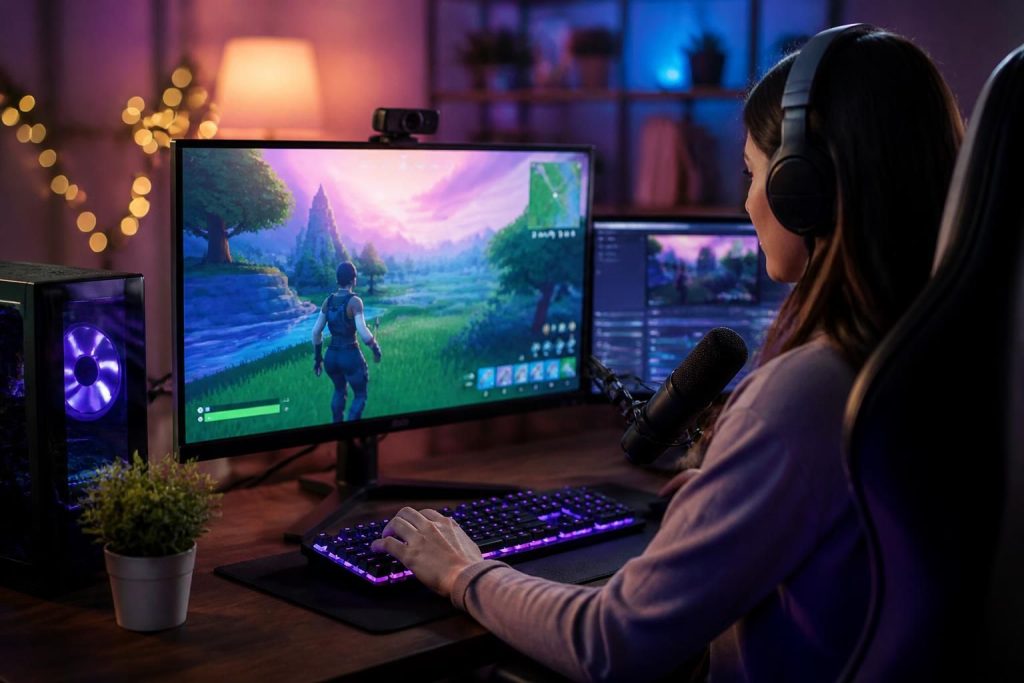
Game streaming and content creators have become pivotal in shaping the digital entertainment landscape, carving out new avenues for engagement and community building. The rise of platforms such as Twitch and YouTube has enabled gamers to showcase their skills, foster connections, and even generate income through their passion for gaming. As viewer habits evolve, content creators are adapting their strategies to meet the changing preferences of their audiences.
Understanding the Shifting Landscape of Viewer Engagement
The advent of new technologies and the increasing accessibility of high-speed internet have transformed how audiences engage with content. Viewers are gravitating towards interactive and immersive experiences, pushing game streaming and content creators to innovate. Historically, audiences would consume content passively, but the current trend leans heavily towards interactive formats.
Live streaming allows viewers to participate in real-time, creating a more dynamic viewer experience. Gamers are no longer just spectators; they are active participants, engaging with chat functions, polls, and even influencing game outcomes through viewer-driven choices. This shift necessitates that content creators not only play games but also cultivate robust communities where interaction is encouraged.
The Role of Personal Branding in Game Streaming
As game streaming and content creators carve out their niches, personal branding has become increasingly vital. Successful streamers often develop a unique persona that resonates with their audience. This branding extends beyond just gameplay; it encompasses the streamer’s personality, communication style, and even their approach to community management.
For instance, some creators might adopt a humorous approach, using comedy to engage viewers, while others may focus on delivering high-level gameplay strategies. This differentiation is crucial in a saturated market where thousands of content creators are vying for viewer attention. By fostering a strong personal brand, streamers can cultivate loyalty among their audiences, which, in turn, can lead to higher subscriber numbers and viewership.
Monetization Strategies for Content Creators
The economic model surrounding game streaming and content creators has evolved significantly. Initially, many streamers relied heavily on donations and subscriptions through platforms. However, as the industry has matured, diverse monetization avenues have emerged. Sponsorships, affiliate marketing, and merchandise sales are now commonplace strategies.
For example, a popular streamer might partner with game developers to promote a new title, while another might leverage their audience to sell branded merchandise. Additionally, some creators use platforms to offer exclusive content, such as behind-the-scenes access or special gaming sessions for paying subscribers. This multifaceted approach allows streamers to build sustainable careers, enhancing their financial prospects and providing more value to their communities. For more on this topic, see สล็อต.
The Impact of Technology on Game Streaming Content
Advancements in technology are continuously reshaping the landscape of game streaming. High-quality streaming equipment and software have made it easier for content creators to produce visually appealing broadcasts. Streaming in 4K resolution or using virtual reality (VR) can significantly enhance the viewer experience, creating more immersive content.
Furthermore, the rise of artificial intelligence (AI) is also influencing how content is created and consumed. AI tools can help streamers analyze viewer engagement data, allowing for more tailored content strategies. For instance, streamers can identify which games resonate most with their audience, thereby optimizing their game selection. This use of technology is not just about providing better quality but also about streamlining the content creation process.
Adapting to Post-Pandemic Viewer Preferences
The COVID-19 pandemic has dramatically altered viewer habits, accelerating trends that were already in motion. With more people staying at home, game streaming gained immense popularity as a form of entertainment and social interaction. This shift has resulted in an increased number of viewers who may now prefer longer streaming sessions and more diverse content offerings.
Content creators have had to pivot their strategies accordingly. Many have expanded their streaming schedules and diversified their content to attract various viewer segments. For example, a creator who typically focused on fast-paced shooter games may now include casual games or creative streams that allow for audience interaction. This adaptability is essential in catering to evolving viewer preferences and maintaining engagement in a rapidly changing environment.
In conclusion, game streaming and content creators are at the forefront of a digital revolution that redefines entertainment. As viewer habits continually evolve, content creators are adapting through innovative engagement strategies, personal branding, diverse monetization methods, technological advancements, and responsiveness to societal changes. These adaptations not only serve to enhance the viewing experience but also solidify the role of streaming as a prominent pillar in the broader gaming culture. The future promises even more exciting developments in game streaming, reinforcing its significance for both creators and audiences alike.