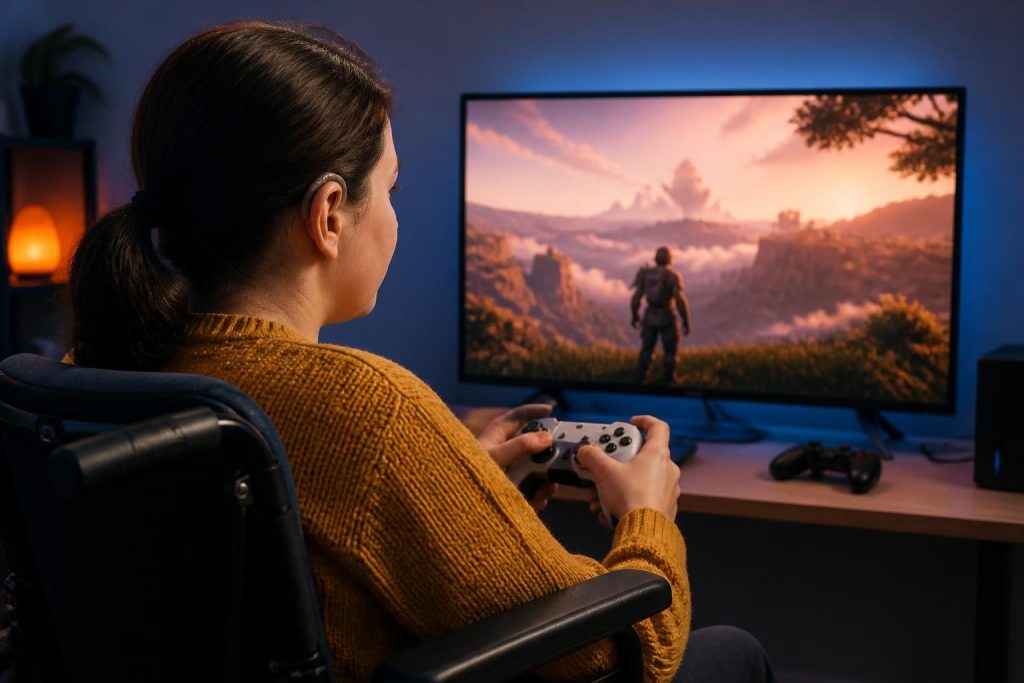
Accessibility features in video games play a crucial role in making gaming experiences inclusive for players of all abilities. As the gaming industry continues to expand and diversify, ensuring that everyone can participate equally has become a priority for developers. These features range from customizable controls to visual aids, allowing players with disabilities to engage with games in meaningful ways. As technology evolves, so too does the understanding of how to effectively incorporate these accessibility options, highlighting a commitment to inclusivity in gaming.
Understanding the Importance of Accessibility in Gaming
Accessibility features in video games are not merely optional extras; they are essential to the gaming experience for many players. The entertainment industry has seen a significant shift towards inclusivity, recognizing that not every player has the same physical or cognitive abilities. According to research, nearly 20% of the global population lives with some form of disability, which includes mobility, visual, auditory, and cognitive impairments. By prioritizing accessibility, developers can reach a broader audience while also fostering a sense of community and belonging among players.
Key Accessibility Features in Modern Video Games
Modern games are increasingly equipped with a range of accessibility features designed to accommodate various needs. Some of the most common features include:
- Customizable Controls: Players can remap buttons to suit their preferences, making it easier for those with limited mobility to play.
- Text-to-Speech and Speech-to-Text: These features assist players with visual impairments or those who struggle with reading by providing audio cues or allowing them to communicate through voice.
- Color Blind Modes: This option enables players with color vision deficiencies to distinguish between in-game elements easily, often by changing the color palette or adding patterns.
- Subtitles and Visual Cues: Subtitles allow deaf or hard-of-hearing players to follow the narrative, while additional visual cues can enhance gameplay for those who cannot hear sound effects.
These examples represent just a fraction of the actual features being integrated into games today. Notable titles such as สล็อตเว็บตรง have received praise for their extensive accessibility options, setting a standard for future releases.
Case Studies: Games Leading the Charge in Accessibility
Several games have emerged as benchmarks for accessibility, showcasing how thoughtful design can enhance gaming experiences for everyone. One prominent example is The Last of Us Part II, which includes a wide range of accessibility features, such as customizable difficulty settings, audio descriptions, and extensive control mapping. The game was designed with input from players with disabilities, demonstrating a proactive approach to inclusivity.
Another notable title is Celeste, a platformer that features an Assist Mode that allows players to adjust game speed, enable invincibility, and tweak other settings to tailor the experience to their ability level. Both games illustrate the positive impact that accessibility features can have on gameplay while also encouraging other developers to follow suit.
The Role of Community Feedback in Developing Accessibility
Community feedback has become instrumental in shaping the accessibility features in video games. Developers increasingly rely on input from players, especially those with disabilities, to identify gaps in their accessibility options. This collaborative approach not only helps in refining existing features but also encourages innovation in design. Forums, social media discussions, and beta testing phases provide valuable insights that have prompted many studios to integrate new accessibility tools into their games.
Additionally, organizations and advocacy groups for individuals with disabilities have begun to play a critical role in educating developers about the needs of various communities. Their efforts have led to industry-wide changes, pushing the conversation around accessibility from niche discussions to mainstream priorities.
Challenges and Future Directions for Accessibility in Gaming
Despite the progress made in integrating accessibility features in video games, significant challenges remain. Many smaller indie developers may lack the resources to implement extensive accessibility options, potentially leaving out a portion of their audience. Furthermore, the rapid pace of technological advancement can create a knowledge gap regarding how to best utilize new tools in accessibility design.
Looking ahead, the future of accessibility in gaming will likely revolve around continued advocacy, education, and technological innovation. As the industry becomes more aware of the diverse needs of players, there will be an increasing emphasis on making games accessible right from the development stage. Initiatives like game jams focused on accessibility and scholarships for underrepresented groups in game design could foster a new generation of creators dedicated to inclusivity.
In conclusion, accessibility features in video games are vital for creating an inclusive gaming environment that welcomes all players. As the industry evolves, it continues to prioritize these features, ensuring that everyone, regardless of ability, can find enjoyment and connection through gaming. By fostering collaboration between developers and the gaming community, the future holds promise for even greater advancements in accessibility, paving the way for a more inclusive gaming landscape. With ongoing commitment and innovation, the vision of a gaming world that truly embraces everyone is within reach.